

Quick Links
What is a Lipoma?
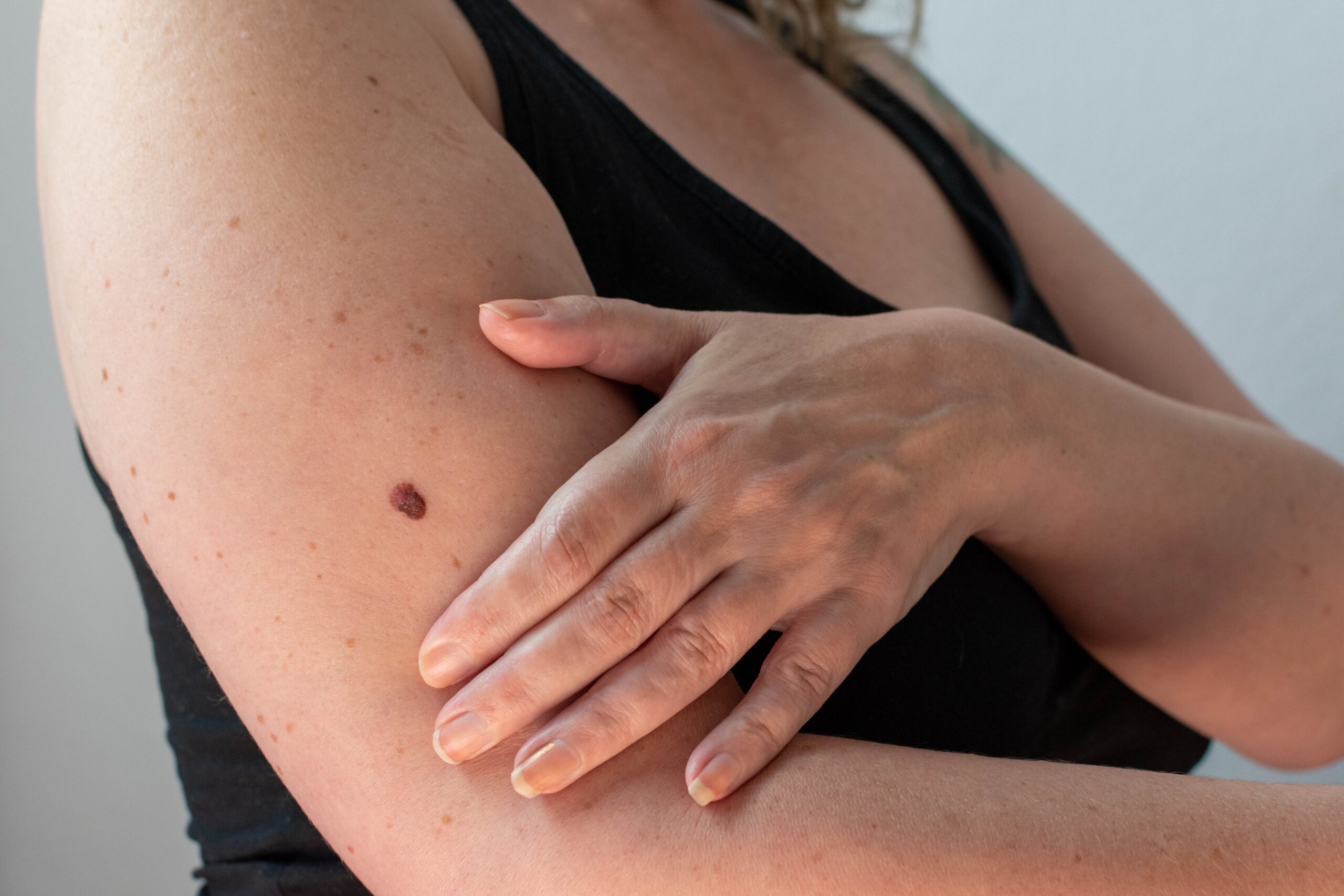
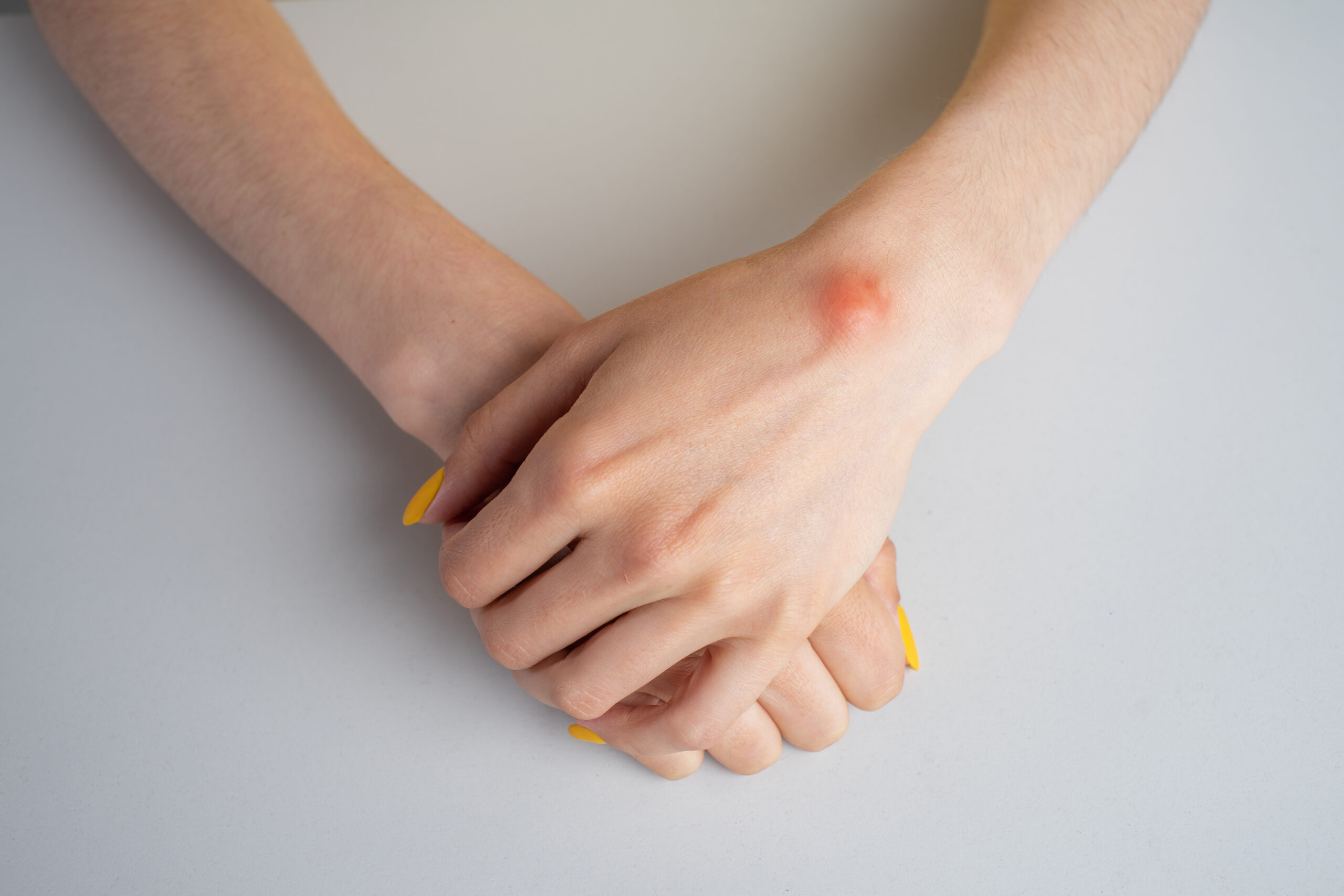
A lipoma is a fatty, benign lump that is usually located between the skin and muscle. They grow slowly and usually move easily with light pressure and are soft to the touch. Lipomas are more commonly found in areas like the neck, shoulders, back, abdomen, arms, or thighs. To learn more about lipoma treatment, visit Dr. Falcon at our Natrona Heights office, which is located 11 miles from Leechburg and 20 miles from Downtown Pittsburgh.
What Causes a Lipoma
The exact cause of lipomas is not fully understood, but they are thought to result from an overgrowth of fatty tissue. Genetics often play a key role, as lipomas tend to run in families, suggesting a hereditary component. They are more common in adults between the ages of 40 and 60 and may sometimes develop after an injury, although the link is unclear.
When Do Lipomas Require Treatment?
Most lipomas do not require treatment because they are easy to conceal, do not pose medical risk, and are painless. However, this does not apply to all lipomas. For example, if multiple lipomas or the lipoma presses on a nerve, it can become painful. You can also choose to have a lipoma removed for cosmetic reasons, which is especially common for patients who develop a lipoma in a prominent area or have a lipoma that grows to a larger size. Finally, it’s best to have a doctor examine a lipoma even if it does not cause uncomfortable symptoms and you are not sure you want to undergo a surgical procedure, because in rare cases, the growth may actually be harmful or cancerous.
“Best doctor best staff they are all wonderful and treat you with the upmost respect. Dr. Falcon knows what he's doing and does a fantastic job. I would never go anywhere else and highly recommend Dr. Falcon and his staff to anyone!”
How are Lipomas Treated?
Surgery is the most common way to remove a lipoma. This is done under local anesthesia and can be completed quickly. In some cases, Dr. Falcon may recommend using liposuction rather than an excision to remove a lipoma, which can typically also be completed using local anesthesia alone. Finally, some patients may benefit from steroid injections, which will not remove the lipoma completely but can be effective in shrinking its size.
Recovery After Lipoma Removal
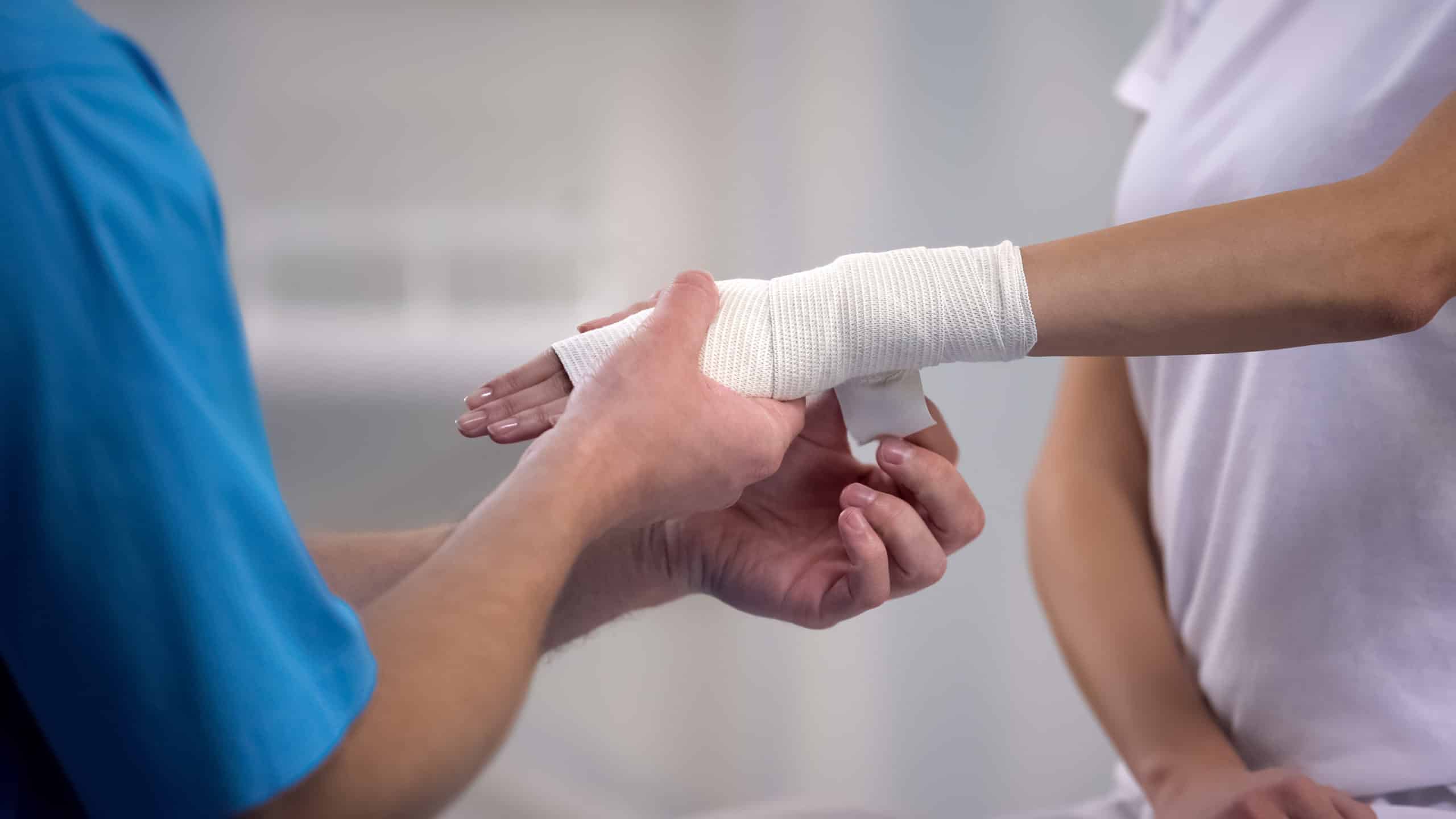
Recovery after lipoma removal is short and relatively easy. Most lipoma removal procedures will not require sutures, but you will have a small wound from the incision. Dr. Falcon can give you instructions to care for this wound properly to avoid infection and unnecessary scarring. You should be completely healed in no more than two weeks or so. Surgical removal means that lipomas should not recur. If you receive other treatments, like steroid injections, your lipomas may grow back or continue to grow larger over time. Dr. Falcon can suggest the most effective treatment option depending on your specific symptoms and the size or location of your lipoma.
Is Lipoma Removal Covered by Insurance?
Lipoma removal is not considered medically necessary in most cases, so it may not be covered by your health insurance plan. To learn the specifics of your plan, contact your health insurance provider directly. If you have questions about financing or cost, feel free to contact our office.
Lipoma FAQs
Are lipomas cancerous?
Can lipomas be painful?
Who is at risk for developing a lipoma?
Can lipomas come back after removal?
Do lipomas go away on their own?
Schedule a Consultation
To learn more about your lipoma treatment options, schedule a consultation with Dr. Falcon. Call our office at (724) 226-3900 or contact us online to set up your first appointment. Falcon Plastic Surgery’s Monroeville Office is conveniently located 18 miles from Downtown Pittsburgh and 16 miles from Greensburg.